WEBSITES & CUSTOM APPS
Website development for start-ups in Lucknow: launch sites and first-version apps
A start-up's website has a narrow job in its first year: turn someone who heard about the product — at a pitch, in a LinkedIn post, through a WhatsApp forward — into a waitlist sign-up or a booked demo, and make a young company look as credible as its founders know it is.
We hand-code launch sites in our Vikas Nagar studio, live in 8–10 days after we receive all your details, and build first-version web apps ready 15–20 days after your feedback. Quotes come on WhatsApp.
Lucknow's early-stage teams work out of Vibhuti Khand and the wider Gomti Nagar office belt, co-working floors around Hazratganj, and newer buildings in Sushant Golf City. Below: what a launch site must prove, how to lay out pricing, how to cut a first version down to something shippable, and what to measure.
What a launch site has to prove to a stranger
Most visitors to a young company's site carry one question — is this worth my time? — and give the page well under a minute. In that minute the home page must state the problem in the customer's words, show the product doing something about it, offer a reason to believe it works, and ask for one action.
That order — problem, product, proof, action — is the spine of every launch site we plan. Proof at this stage is a two-minute screen recording, a pilot user who agreed to be quoted by name, a figure you can defend in a meeting, or the founders' years in the industry. Borrowed logos lose the first investor who checks. The action is a short form: join the waitlist or book a demo, four fields at most.
Pages a start-up website needs
Launch with the first three; add the rest as the company hires, prices and gets written about. Each sits on its own address, ready to link from a pitch email or a job post.
| Page | What it must do | Why it matters for a start-up |
|---|---|---|
| Home | Name the problem, show the product in a screenshot or clip, give one piece of proof, keep the form visible on a phone | Shared links land here; attention becomes a list of names |
| Product or how it works | Three or four steps, each with a real screen, written for the buyer rather than the engineers | Answers a serious visitor's second question; sales calls link to it afterwards |
| Pricing | Plans side by side, inclusions, billing period, whether GST is extra, a route for larger customers | Visitors here are deciding; a vague page sends them to a competitor |
| Docs and FAQ | Setup guides and short how-tos, each on a plain URL, with search once there are a dozen | Fewer repeat support questions, and rankings for problems customers type |
| Careers | Why join, one page per role, how hiring works, an application form taking a CV link | Early hires judge the company here; role links travel through college groups |
| Press and media kit | Boilerplate, founder bios and photographs, logo files, announcements, coverage links | Journalists use what is ready to download, or crop an old screenshot |
Working parts we build into a launch site
These keep the site useful to a small team with nobody spare for website upkeep.
- Forms that reach a founder
- Name, work email, company and one question about the problem, sent to a founder's WhatsApp and email at once, with the source page and campaign.
- Pricing you edit yourself
- Plan names, inclusions and figures in one simple admin screen, so a price test needs no developer.
- Changelog page
- Short dated notes on what shipped. Early users see the product moving; investors see a team that releases often.
- Help articles in your layout
- Docs your team writes in plain text, published in the site's design, each with its own link for support replies.
- Media kit download
- Logos, product screenshots and founder photographs at print and web sizes, linked from the press page and footer.
How to lay out a pricing page
Two or three plans are easier to choose between than five. Name each after the customer it suits — a single clinic, a growing chain, a group of branches — list inclusions in the same order on every card, and mark the plan most buyers should pick. Say whether GST is added, and put a short FAQ under the cards on trials, cancellation, invoices and data after someone stops paying.
Prices not settled yet? Publish the structure without figures, with a "request early-access pricing" button feeding the demo form.
Scoping a first version you can ship in 15–20 days
A first version, or MVP, is the smallest product that lets one kind of user finish the one job you promise them, end to end, with real data. In a tutoring marketplace, version one lets a parent find a tutor and book a trial class; ratings and referral schemes wait until people use the core.
Scoping is mostly about what to leave out: a self-serve settings area (the team changes settings by hand at first), automated billing (raise the first fifty invoices manually), more than two user roles, several sign-in options, an installed mobile app where the phone's browser will do, and every notification but one. What often stays, in Lucknow, is Hindi: if your users read Hindi first, the labels belong in version one. The 15–20 days run from your feedback on the screen plan; everything cut goes on a list for version two.
Analytics events to track from the first day
Page views say little about a product. These events, set up in Google Analytics (GA4) on request, show where people drop off.
- Waitlist joined or demo requested, with source page and campaign tag
- Account created, and how long after the first visit
- Each onboarding step completed, so the step where people stall stands out
- First core action — first booking, report or order — when a sign-up becomes a user
- Returned in week two: the same person logging in seven or more days later
- Invite sent or plan upgraded: the product is being recommended or paid for
Three apps start-ups ask for first
Waitlist and onboarding. Confirms each sign-up on WhatsApp or email, lets you invite people in batches, and walks every new user through a first-run checklist — profile, setup, first core action — with a reminder when someone stops halfway.
Admin dashboard. One screen for the founders: sign-ups by day, who finished onboarding, who has gone quiet, the event counts above as a table, and controls to approve, pause or message an account.
Customer portal. For products sold to businesses, a login where each customer's team sees its orders, invoices, usage, support requests and documents.
Each is built as a web app, or a mobile app where that suits the use, and is ready 15–20 days after we receive all your feedback on the screen plan. The custom app development page explains the plan, build and test stages.
What to send us for a launch site
The 8–10 day count starts when the inputs are complete, and most already sit in the pitch deck. Send your one-line description; the problem and the customer in a paragraph each; three to five product screenshots or a screen recording; the logo in vector form with brand colours; founder photographs and two-line bios; proof you may publish, such as pilot users' quotes with written consent; pricing plans or their structure; open roles; and coverage links.
Add the legal entity name, address and GST number for the footer, and any registration or recognition number only if the company holds it. Copy written from scratch is quoted separately.
From pitch deck to live site in 8–10 days
Founder call
WhatsApp, or a meeting at your co-working desk: the product, the first customer, the one action the site should drive. Demo links follow.
Written quote
A quote on WhatsApp for the agreed pages and features. A 50% advance confirms the slot; the balance at launch.
Deck to inputs
Copy, screenshots, logo, bios and pricing arrive against the checklist. The 8–10 days begin once the set is complete.
Home page preview
Problem line, product visual and form in your colours on a private link. One round of changes before the other pages follow.
Build and review
Every page, the forms, analytics events if requested, a Hindi version if ordered. Two rounds of corrections are included.
Launch and hand-over
Live on the company's domain with SSL and Search Console, plus hand-over notes. Domain and hosting stay in the company's name.
How a young company gets found from Lucknow
Early search traffic is mostly people looking for the company by name: someone who heard the pitch at an event in Gomti Nagar types the product name into Google. The site must own that search first — company name in the title, Organization structured data listing founders and social profiles, clean links to pricing, docs and careers.
Category searches come next, won by help pages that describe the problem the way customers do: "clinic appointment software Lucknow", "GST billing app for small shops", or the Hindi a shopkeeper in Aminabad would type. A staffed office in Hazratganj or Sushant Golf City can add a Google Business Profile; a remote team can wait until customers visit.
Launch week, first hires, one set of logo files
Launch week also brings visiting cards for an investor meeting, printed pens for a demo-day table and a welcome box for the first hires. This studio already prints visiting cards and letterheads, assembles employee welcome kits and supplies onboarding gifts for technology companies, from the same logo files and colour values used on the site. A new joiner who opens the kit, logs in to the product and reads the careers page meets one company. Shubham Kumar takes the first call himself.
Questions founders ask before building
How small should our first version be?
Small enough that one kind of user can finish the core job — book, order, file or pay — end to end with real data. Settings screens, extra roles and automation usually wait for version two.
We have not fixed prices. Should the site have a pricing page?
Yes: the plan structure and inclusions without figures, plus a button to request early-access pricing. Adding the numbers later is a small edit.
Can the waitlist feed the app once it is built?
Yes. Entries sit in an account in your name and export to Excel; when the first version is ready, the same list becomes the invitation queue.
Who owns the code? Investors will ask.
The company. Code is handed over with notes, and domain, hosting and data are kept in the company's name, so a later developer or an investor's technical review sees everything.
Can you meet us at our co-working space?
Yes, anywhere in Lucknow, including co-working floors in Gomti Nagar, Hazratganj and Sushant Golf City. Teams outside the city work over WhatsApp, calls and screen-share.
How many start-up products have you built?
Website and app work is a newer service line of a studio that has served 2,500+ companies in print since 2022, so there is no long launch list. You can see 5–6 demo sites on request, and this site, which we built ourselves.
हिंदी में
लखनऊ के स्टार्टअप्स के लिए कस्टम-कोडेड लॉन्च वेबसाइट — समस्या, प्रोडक्ट, भरोसे लायक़ सबूत और वेटलिस्ट या डेमो फ़ॉर्म, साथ में प्राइसिंग, डॉक्स, करियर और प्रेस पेज। सारी जानकारी मिलने के 8–10 दिन में साइट लाइव। पहला वर्ज़न (MVP) वेब ऐप — वेटलिस्ट और ऑनबोर्डिंग, एडमिन डैशबोर्ड या कस्टमर पोर्टल — आपकी पूरी फ़ीडबैक के 15–20 दिन बाद तैयार। कोड, डोमेन और डेटा कंपनी के नाम पर रहते हैं। रेट किसी सूची से नहीं, WhatsApp पर बातचीत के बाद कोटेशन से तय होता है; 5–6 डेमो साइटें भी वहीं मिलती हैं। हिंदी में पूरी जानकारी: लखनऊ में वेबसाइट डेवलपमेंट।
Related services
- Website DevelopmentCustom-coded business websites, live in 8–10 days.
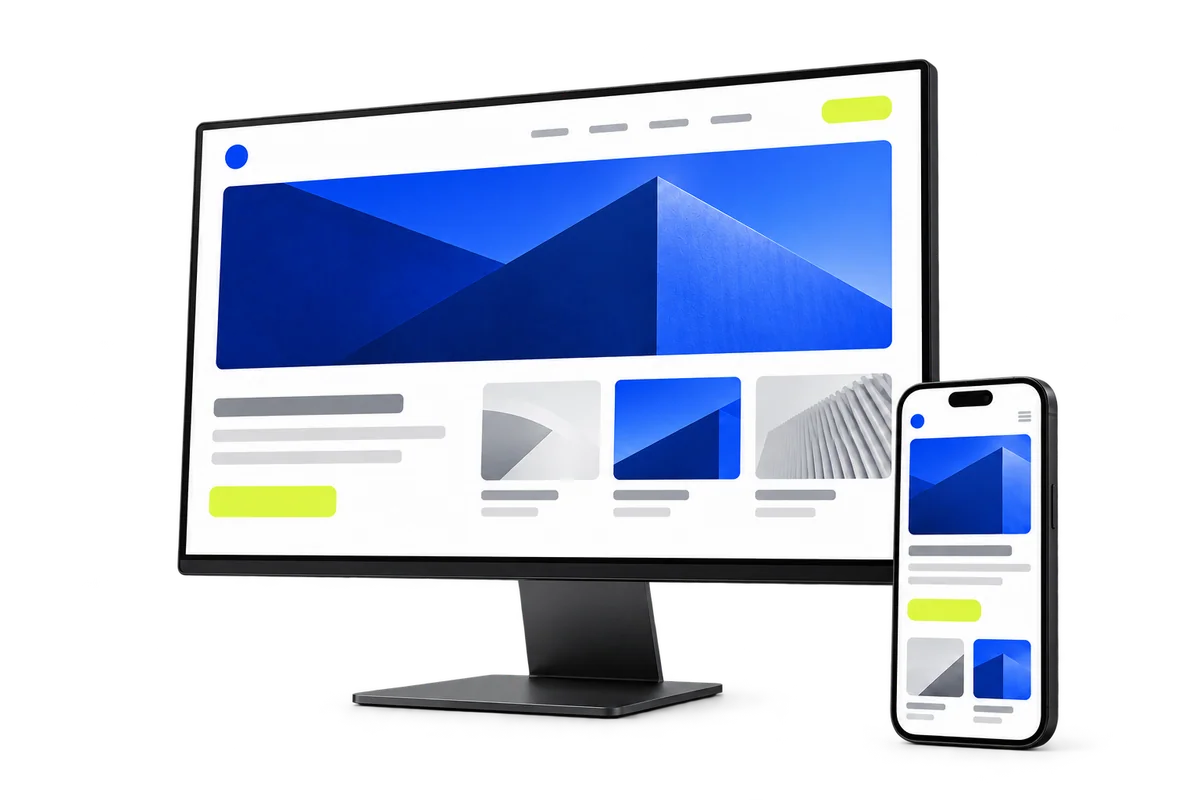
- Custom App DevelopmentWeb and mobile apps built around how your business runs.
- Websites for Dealers & DistributorsBrand lists, order forms, retailer onboarding.
- Websites for Shops & BoutiquesCatalogue sites with WhatsApp ordering.
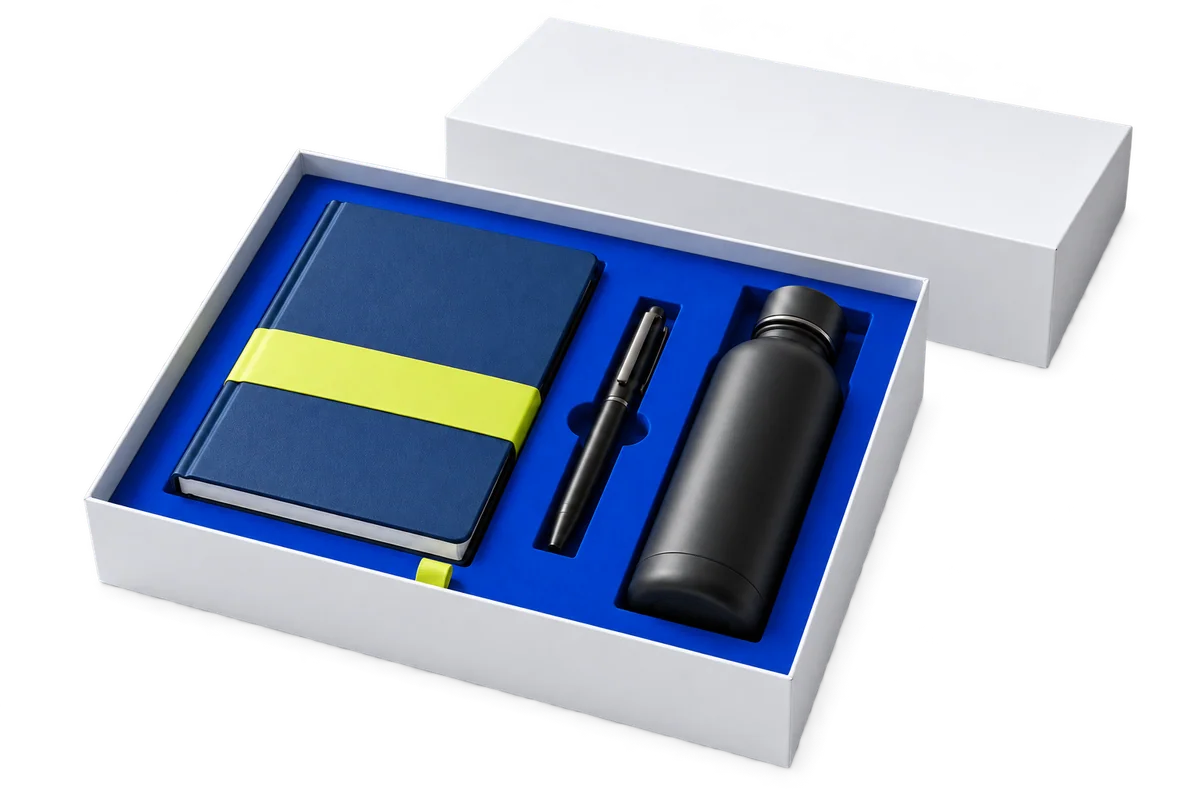
- Corporate Gift Sets & KitsDiary, pen and bottle combos in a branded box.
BEFORE YOU ORDER
Start with a useful website brief
Your goal
Tell us the main action: an enquiry, a booking, a catalogue request or an order.
Your content
List your services, key pages, photographs, contact details and languages.
Your workflow
Explain who answers enquiries, who updates content and any systems that need to connect.