DIARIES & FINISHES
PU leather vs genuine leather diaries
PU leather is a fabric or split-leather base coated with polyurethane and embossed with a grain, giving a uniform leather look at a fraction of the cost; genuine leather is tanned animal hide with natural grain that varies piece to piece. For corporate diaries, PU leather covers most gift lists, while genuine leather is kept for short, senior lists where the material itself is the message.
How each material is made
PU (polyurethane) leather starts with a woven or non-woven base — sometimes a split of real hide — that is coated with a polyurethane layer and pressed with a grain pattern. Because the surface is manufactured, colour, texture and thickness are identical across a lot of 2,000 covers, and the material can be made in navy, tan, green or any brand colour.
Genuine leather is the hide itself, tanned and finished. Full-grain leather keeps the outer surface and its marks; top-grain is lightly sanded and corrected. Each cover has slightly different grain and shade, and the supply is in hides rather than rolls, which matters when 500 identical covers are needed in a fixed month.
Feel and appearance
Good PU is soft, slightly padded over the board and takes a sharp, consistent deboss. Cheap PU feels plasticky, creases at the spine and can peel at the corners within a year; the difference is in the base fabric and coating thickness, which is why a physical sample matters more than a photograph.
Genuine leather is heavier, warmer to the touch and develops a patina with handling. It smells like leather, which people notice, and small scars or grain variation read as authenticity rather than defects. Against that, it marks easily from water and ink and darkens unevenly in the first months.
Branding methods on each
Both materials take blind debossing and foil stamping well, and both are the right choice for a single-colour logo. PU additionally takes laser marking (a tone-on-tone mark that is useful for individual names) and UV printing for multi-colour logos on smooth finishes. Genuine leather is best left to deboss or foil; printed colour on hide looks out of place and wears off at the edges.
On either material keep logo line weights above roughly 0.3 mm and text above 2 mm high. Fine detail fills in on a soft surface, and a logo that depends on a thin outline will look better foil-stamped than debossed.
Durability over a year of use
A well-made PU diary lasts the year it is designed for and often a second as a notebook, then is replaced. Genuine leather outlasts the pages inside it, which is the argument for a refillable leather cover with a replaceable insert: the cover stays on the desk for several years and carries your logo for all of them.
For a dated diary that is replaced every January anyway, the extra life of genuine leather is partly wasted. For an organiser or a cover that is meant to be kept, it is the point.
Cost band and when each suits
PU leather-finish diaries sit in the ₹₹–₹₹₹ band for a dated B5 and cover managers, clients, doctors, channel partners and senior staff — the bulk of any corporate list. Genuine leather sits at ₹₹₹₹, typically several times the PU price per piece, and is reserved for directors, top clients and awards, usually in lots of under 100.
Most national orders mix the two: genuine leather for a short head-office list, PU leather-finish for the regional tier, and a printed customised-cover diary for the field force, all from one artwork. See corporate diary manufacturer for the dated B5 options and employee gifts vs client gifts for how to split the list.
At a glance
| Factor | PU leather | Genuine leather |
|---|---|---|
| Consistency across a lot | Identical colour and grain | Natural variation piece to piece |
| Colours available | Any, including brand colours | Black, brown, tan and a few dyed shades |
| Logo methods | Deboss, foil, laser, UV | Deboss, foil |
| Wear over a year | Good; corners may wear on cheaper grades | Excellent; patinas, marks from water |
| Lead time and supply | Rolls in stock; fast | Hides sourced per order; slower |
| Cost band (dated B5) | ₹₹–₹₹₹ | ₹₹₹₹ |
Questions buyers ask
Is PU leather real leather?
No. PU leather is a base fabric (sometimes a leather split) coated with polyurethane and embossed with a grain. It looks and feels like leather but is manufactured, which is why it is uniform and economical.
Can clients tell the difference between PU and genuine leather?
Up close, yes — genuine leather is heavier, smells of leather and shows grain variation. In a gift box with a crisp deboss, a good PU diary reads as premium to most recipients, which is why it dominates corporate gifting.
Which takes a logo better?
Both deboss and foil well. PU also takes laser marking and UV colour printing; genuine leather should stay with deboss or foil.
Which should we choose for 500 client diaries?
PU leather-finish, in a magnetic box with a metal pen. Genuine leather at that quantity is costly, slow to source in matching hides and its extra life is wasted on a dated diary.
Does genuine leather need a bigger minimum?
No, the opposite: it is usually ordered in small senior lists. The constraint is supply time — hides are sourced per order — so confirm it early in the season.
Related pages
- Diary sizes, paper and GSM explainedA4, B5, A5 and A6 diary sizes in mm, what 70 GSM paper means, realistic page counts, hardbound versus wiro binding, and which extras are worth paying for.
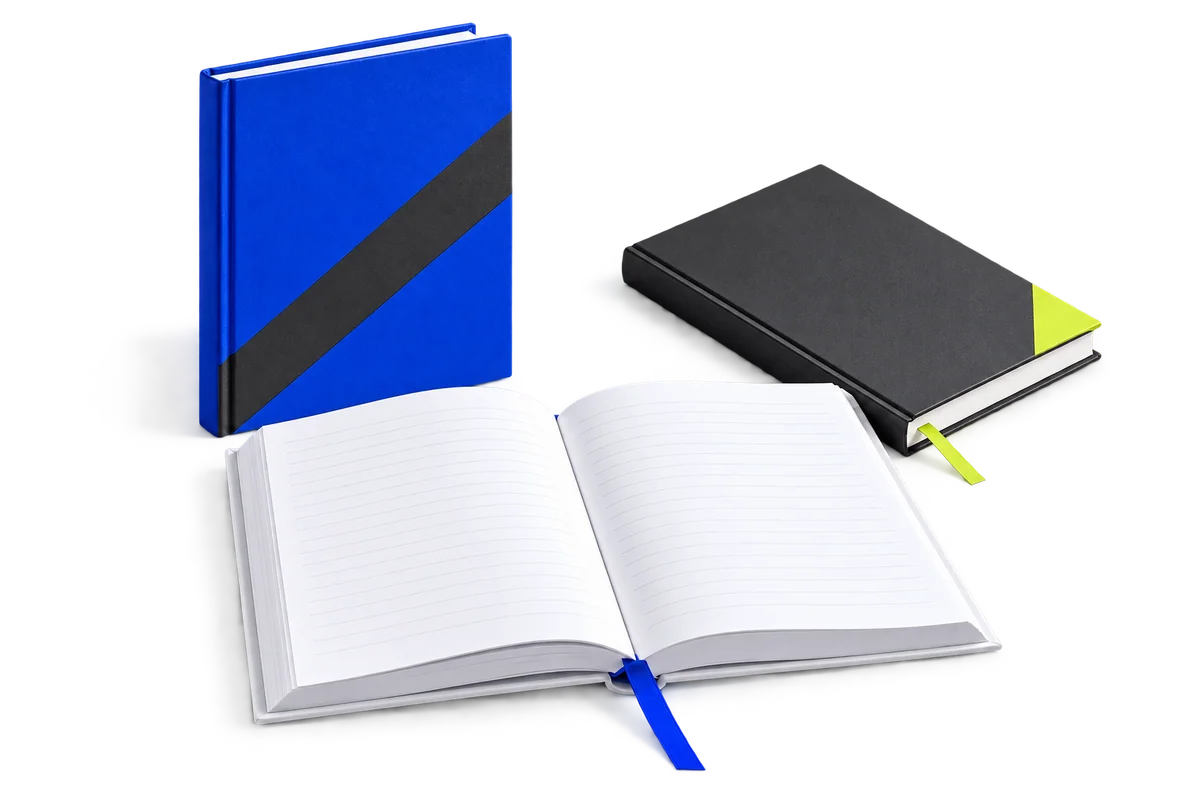
- Corporate Diary Manufacturer2027 dated diaries in bulk, packed branch-wise for any city.
- Employee gifts vs client gifts: what changesHow employee gifts differ from client gifts: quantity, budget band, personalisation, packing, logo prominence and timing, with a side-by-side table.
- How to budget corporate gifts per recipientHow to budget corporate gifts per recipient: tier the list, use quantity bands, know what moves the per-piece price, and plan packing and dispatch costs.
More guides
- Diary sizes, paper and GSM explainedA4, B5, A5 and A6 diary sizes in mm, what 70 GSM paper means, realistic page counts, hardbound versus wiro binding, and which extras are worth paying for.
- Table calendar formats: 6, 7, 12 and 13 sheeters explainedWhat 6, 7, 12 and 13-sheet table calendars carry, single-side versus front-and-back printing, stands, 300 GSM lamination and how to plan the artwork.

- Corporate calendar design ideas for 2027Design ideas for 2027 corporate table and wall calendars: twelve-month themes, legible date grids, festival marking, product-per-month and logo placement.
- How to budget corporate gifts per recipientHow to budget corporate gifts per recipient: tier the list, use quantity bands, know what moves the per-piece price, and plan packing and dispatch costs.
- Corporate gifting guide: what to give, how to brand it, when to orderItems, budgets, logo methods and timing.
BEFORE YOU ORDER
Turn this guide into a clear specification
Choose the essentials
Note the format, recipient and features that matter to this order.
Compare like for like
Keep size, quantity, material, branding and packaging consistent when comparing quotes.
Approve the details
Check the artwork and written specification together before production.